



Securing Smart Homes: Mitigating Risks in the Connected World
Introduction
Smart homes are transforming the way we live, offering unprecedented convenience and efficiency. From voice-activated smart speakers to intelligent thermostats and security cameras, the Internet of Things (IoT) has created an ecosystem of connected devices. However, as our homes become smarter, they also become more vulnerable to cyber threats. This blog explores the risks posed by smart home technology and provides actionable strategies to mitigate them, highlighting lessons from the City of Aurora’s cybersecurity journey.
Understanding Smart Home Risks
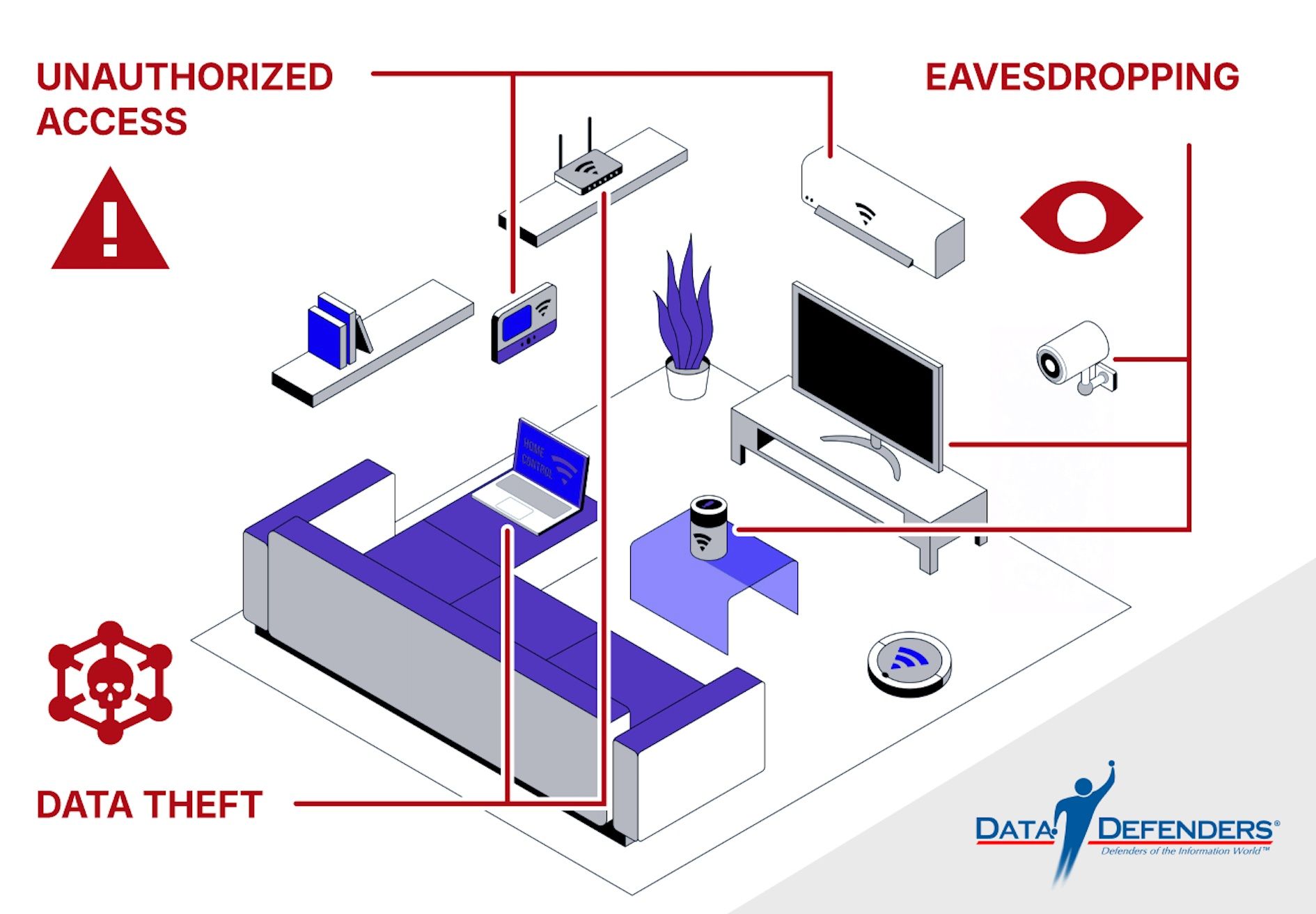
Smart home devices are designed to enhance daily living but often lack robust security measures, making them prime targets for attackers. Common risks include:
Unauthorized Access: Hackers exploit weak credentials to take control of devices
Eavesdropping: Smart speakers and cameras can be used for surveillance
Data Theft: Sensitive information stored on devices or transmitted over networks is a valuable target
Cybercriminals leverage these vulnerabilities to disrupt households and gain access to broader networks.
2026 Update: When the Threat Ships Inside the Box
Since this article first published in August 2025, the smart home threat landscape has shifted in a specific and verifiable way. The risk is no longer only that a device gets compromised after purchase. In a growing number of documented cases, the device arrives compromised.
The Rise of Out-of-the-Box Malware
In June 2026, Wall Street Journal reporters purchased five smart home devices from Amazon and Walmart and found that all five contained factory-installed software connecting to criminal proxy networks before the devices were ever configured. The FBI estimates 20 million U.S. homes are affected. Separately, the BADBOX 2.0 botnet infected more than a million low-cost Android-based devices, including smart TVs, streaming boxes, and digital picture frames, embedding proxy malware directly into the firmware supply chain.
This is a different threat model than the one this article originally addressed. A weak password or outdated firmware is a vulnerability the consumer can close. A device that ships pre-compromised closes nothing, because the malware does not depend on the device’s admin interface or credentials at all. The consumer’s normal security hygiene never touches it.
How Residential Proxies Turn Home Networks into Botnets
The financial motive behind this is renting your internet connection, not stealing your data. Once a compromised device establishes an outbound connection to a command-and-control server, it registers as an available exit node in what is known as a residential proxy network. Criminals then route their own traffic, ranging from ad fraud and credential stuffing to bank fraud and ticket scalping, through that connection. Because the traffic appears to originate from an ordinary residential IP address rather than a data center, it evades the fraud-detection systems that flag traffic from known criminal infrastructure.
The consequence extends beyond individual fraud. A joint April 2026 advisory from CISA, the FBI, the NSA, and eleven international cyber agencies confirmed that state-sponsored groups linked to China, including Volt Typhoon and Flax Typhoon, route espionage traffic through this same class of compromised consumer device. The tactic makes attacks on U.S. critical infrastructure appear to originate from ordinary American households. A homeowner’s picture frame becomes, without their knowledge, a piece of someone else’s attack infrastructure. This is the same aggregation-of-small-vulnerabilities pattern this article has tracked in the Aurora, IL case study, just relocated from a municipal network to a residential one.
Isolate Before You Integrate: A New Mitigation Standard
The original mitigation practices in this article remain necessary. Strong Wi-Fi encryption, regular firmware updates, and reputable manufacturers are still the baseline. But out-of-the-box compromise requires a mitigation step that assumes the device cannot be trusted on arrival, regardless of brand.
Test new devices in isolation before granting network access. Before connecting any new IoT device, particularly a low-cost or off-brand one, to a home or small business network, place it on a separate guest network or VLAN first. Monitor its outbound connections for a period before allowing it onto the primary network. If the device attempts to establish a persistent connection to an unfamiliar host before you have finished setting it up, that is the signal, not a false alarm to dismiss.
For businesses and prosumers managing more devices than a single household, this practice does not scale through manual monitoring. You cannot isolate what you cannot see, and most organizations cannot fully account for every device already connected to their network. This is precisely the gap DataShield Insight is built to close: real-time, agentless visibility that discovers every device on a network, including the ones IT never approved, and flags unauthorized connections the moment a device attempts to call home to a proxy server. Visibility has to come before response, because a device you cannot see is a device you cannot defend.
Vulnerable Entry Points in Smart Homes
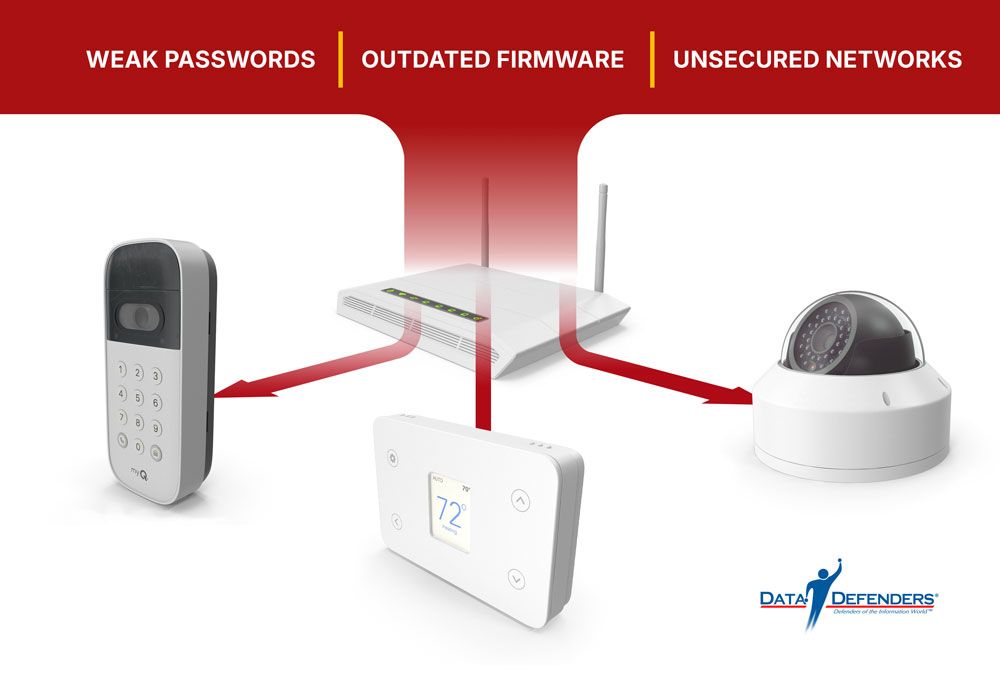
1. Weak Passwords: Many devices come with default passwords that are easy to crack
2. Outdated Firmware: Regular updates are critical to patch security vulnerabilities
3. Unsecured Networks: Poorly configured Wi-Fi networks serve as gateways for cyberattacks
These weaknesses echo the broader cybersecurity challenges faced by municipalities, as highlighted in the Aurora Case Study.
Mitigation Practices
To safeguard your smart home ecosystem:
1. Secure Your Wi-Fi:
Use strong encryption (e.g., WPA3) and set a unique, complex password
Disable unnecessary features like guest networks or remote access
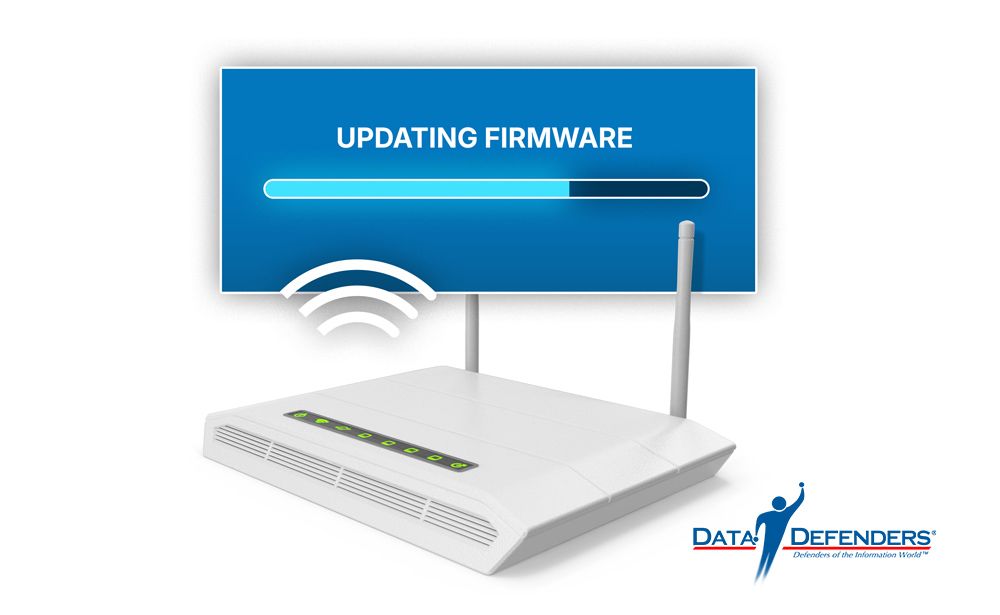
2. Update Firmware Regularly:
Enable automatic updates where possible
Periodically check for and apply patches for all connected devices
3. Choose Reputable Devices:
Purchase from manufacturers with a track record of security
Avoid off-brand devices that may lack robust support or updates
4. Isolate Before You Trust:
Connect new or off-brand IoT devices to a segmented guest network before granting main network access
Monitor outbound connections during the isolation period for unexpected traffic
For business networks, deploy real-time device visibility rather than relying on manual review
IoT-Specific Threats
The IoT ecosystem introduces unique threats, including:
- Device Spoofing: Attackers mimic legitimate devices to infiltrate networks
- Denial of Service (DoS): Flooding devices with traffic to disrupt operations
- Cross-Device Vulnerabilities: A compromised device can serve as a launching pad for attacks on other devices
Such risks necessitate adopting a layered security approach similar to those implemented in Aurora, where advanced tools like DataShield Cybersecurity 360°® reduced vulnerabilities.
The Role of Consumers
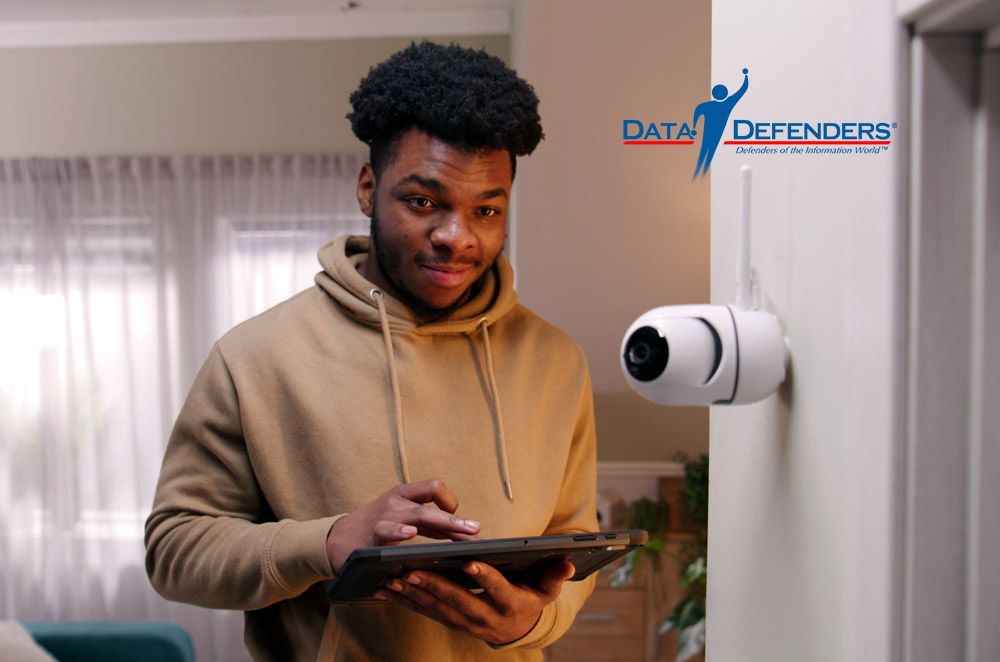
Consumers play a crucial role in securing their smart home environments:
- Education: Understand the risks and take proactive steps to secure devices
- Device Management: Regularly audit connected devices, removing those no longer in use
- Incident Response: Develop a plan for responding to potential breaches, such as disconnecting compromised devices
Aurora’s proactive stance on cybersecurity serves as a reminder that education and preparation are essential to building resilience.
Conclusion
The growing adoption of smart home technology comes with an evolving set of cybersecurity challenges. In 2025, the primary risk was a consumer failing to secure a device after purchase. In 2026, the evidence shows a device can arrive compromised before the consumer ever opens the box. The mitigation has to evolve accordingly, from securing what you install to verifying what you connect.
This is the same principle behind Aurora, IL’s cybersecurity transformation, just at a different scale. A city cannot defend infrastructure it cannot see, and neither can a household. Aggregation, correlation, and analysis, the discipline of knowing what is on your network before something goes wrong, applies whether the network in question spans a municipality or a living room.