CyberShield Seniors
Fraud Prevention & Cyber Safety
Criminals stopped attacking computers. They started attacking people. This free program shows older adults, their families and caregivers how scams work and what to do when one calls.

Register free to save your spot
After you register, the Microsoft Teams link is sent to you by email. You can join from a computer, tablet or phone.
The pattern behind every scam
A scam works when three things show up at once. Any one of them on its own is ordinary. All three together is a designed attack.
“I believe who this is.”
“I feel scared, rushed or in love.”
“I have to act before I can think.”
The four red flags
You do not need technical skills to spot them. Watch for them every time.
Urgency
Act now or else
Real institutions give you time. Always.
Secrecy
Don’t tell anyone
Scams need you isolated. This demand is the mechanism.
Unusual payment
Gift cards, wire transfers, crypto
No legitimate institution asks for gift cards. Ever.
Unexpected contact
They came to you
You did not start this. Skepticism is the correct response.
One flag: stop and verify. Two flags: walk away. Three or more: report it.
What to do: Pause. Verify. Consult.
Pause
Wait 24 hours before any financial decision. Legitimate requests survive a day. Scams do not.
Verify
If they contacted you, find the official number yourself and call it. Never use the one they gave you.
Consult
Call one trusted person before any money moves. Scams require secrecy, and this step breaks it.
Four things you can say right now
“I need to speak with my family first.”
“Send it in writing and I’ll review it.”
“I’m going to hang up and call your official number.”
“I don’t make financial decisions on the phone. I’ll call you back.”
You never need to explain yourself. “I’ll call you back” is a complete sentence.
Where to report fraud
If you or someone you know has been targeted, these are the places to contact.
| Who | How to reach them |
|---|---|
| Federal Trade Commission | ReportFraud.ftc.gov |
| National Elder Fraud Hotline | 1-833-372-8311 |
| FBI Internet Crime Complaint Center | ic3.gov |
| National Center on Elder Abuse | 1-855-500-3537 (ELDR) |
| Eldercare Locator | 1-800-677-1116 |
| General fraud resources | usa.gov/common-scams-frauds |
The National Center on Elder Abuse provides information and resources and does not take reports. The Eldercare Locator can connect you with your local agency.
Common questions
What is CyberShield Seniors?
CyberShield Seniors is a free fraud prevention and cyber safety program. It shows older adults, their families and caregivers how scams work and what to do when one calls. Cyrus J. Walker III of Data Defenders presents it.
Who is the session for?
Older adults, their families and caregivers. It is free and open to everyone.
When is the November 23 session and how do I join?
It is on Monday, November 23, 2026, from 5:30 to 7:00 PM Central Time, online with Microsoft Teams. Register free on the Microsoft Teams event page. After you register, the Teams link is sent to you by email, and you can join from a computer, tablet or phone.
Does it cost anything?
No. The session is free.
What are the four red flags of a scam?
Urgency (act now or else), secrecy (don't tell anyone), unusual payment (gift cards, wire transfers or crypto) and unexpected contact (they came to you). One flag means stop and verify. Two flags mean walk away. Three or more mean report it.
What should I do if someone contacts me and asks for money?
Pause, verify and consult. Wait 24 hours before any financial decision. If they contacted you, find the official number yourself and call it, and never use the one they gave you. Call one trusted person before any money moves.
Where can I report fraud?
You can report fraud to the Federal Trade Commission at ReportFraud.ftc.gov, the FBI Internet Crime Complaint Center at ic3.gov, or the National Elder Fraud Hotline at 1-833-372-8311. The Eldercare Locator at 1-800-677-1116 can connect you with your local agency.
What is the pattern behind scams?
A scam works when three things show up at once: trust, emotion and pressure. Any one of them on its own is ordinary. All three together is a designed attack.
Who do I contact with questions?
Email partners@data-defenders.com.
Your presenter
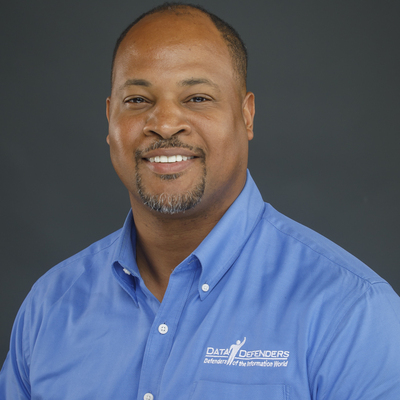
Cyrus J. Walker III Founder & CEO, Data Defenders
Cyrus Walker has spent 30 years protecting people and organizations from cybercrime. He has trained more than 5,000 law enforcement professionals, including teams from the FBI, NSA and U.S. Secret Service, and led election-security forensics for Cook County for 12 years. His cybersecurity commentary has been featured on CNN, CBS News, NBC, ABC News, FOX News and Bloomberg, and in Forbes, the Chicago Tribune and The Guardian. Learn more at cyrusjwalker.com.